


Thoughts on Tile Valleys

Updated: Jul 12, 2022
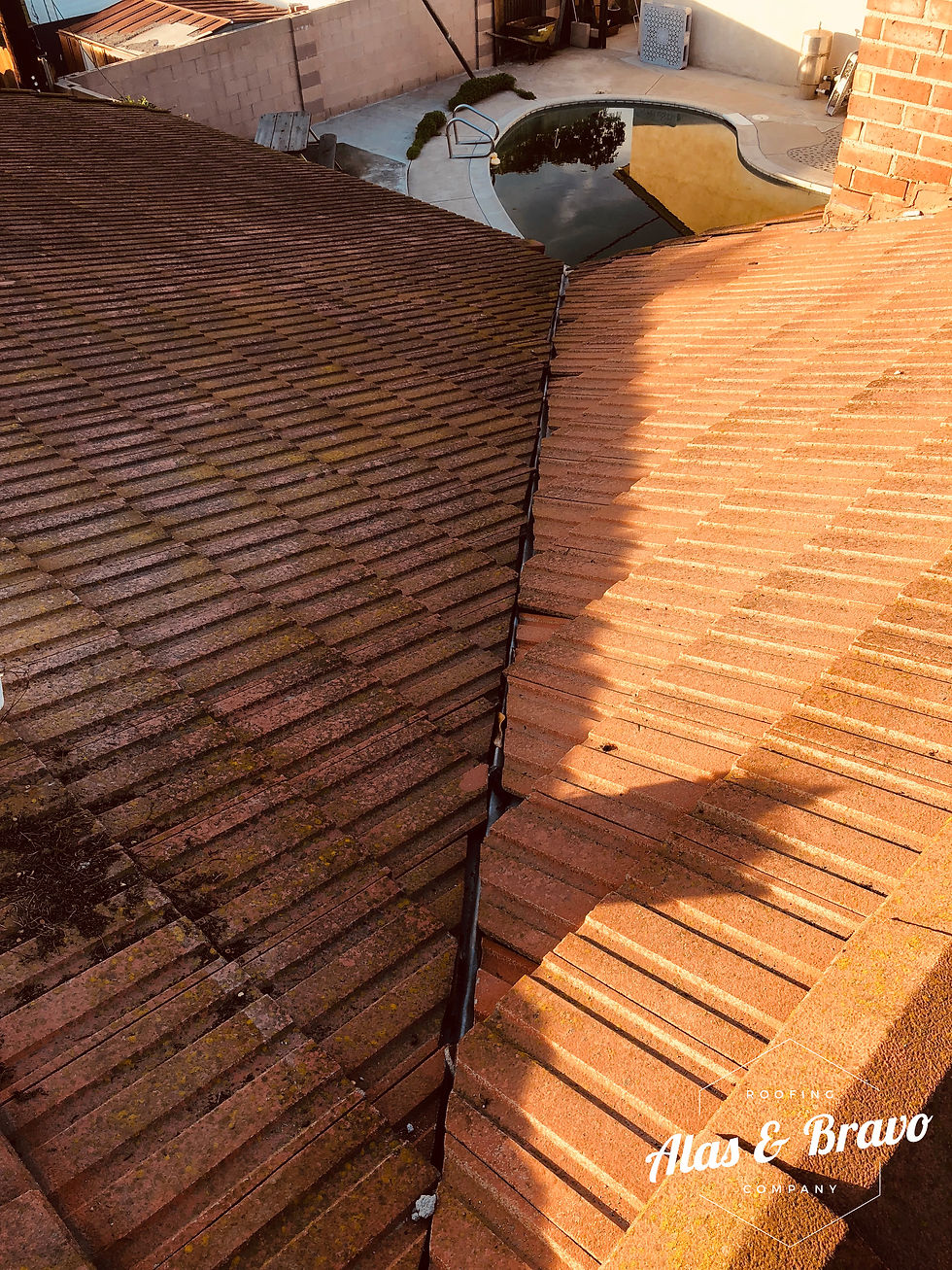
Closed Valley
Closed Valleys are identified as any valley area where the shingle or tile are installed in a manner where the valley metal is hidden and installed without much of a gap. This gives a continuous appearance to the material on the roof and can be found on roofs and home designs that prioritize aesthetics over function.
Closed valleys require more attention from homeowners to prevent leaks from developing over time.

The Open Valley
An open valley has a more exposed valley metal. The roof material is cut in a manner where both sides of the area provide a larger channel for water to flow through.
The open valley may not look as seamless, but it functions as intended, directing water off your roof. It stays cleaner and preserves the underlayment over the years. I always recommend it, and you should request it when installing your roof.


When installing metal roofing, understanding roof valley design is important for proper water drainage and long-term durability. A closed valley is created when shingles or tiles are installed over the valley area so the metal flashing underneath is mostly hidden. This design offers a seamless and clean appearance, which many homeowners prefer for aesthetic reasons. However, closed valleys can trap debris and may require more maintenance to prevent leaks over time.
An open valley, on the other hand, leaves the metal flashing visible and creates a wider channel for water to flow off the roof. This design improves drainage, keeps the valley cleaner, and helps protect the underlayment. When considering metal roofing, many professionals recommend open valleys for better performance and…